
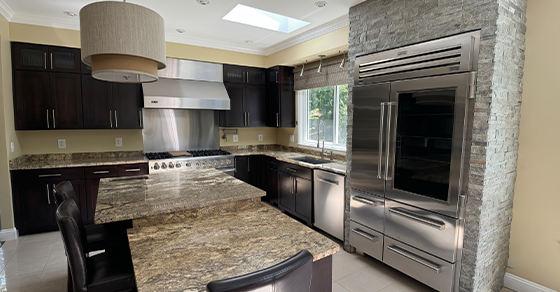
A kitchen does not need to be built from scratch to feel thoughtfully designed. With the right upgrades, a standard layout can start to feel more tailored, more polished, and far more connected to how you actually use the space every day.
That is often what homeowners want from a renovation: not just a nicer-looking room, but a kitchen that feels intentional. The best kitchen upgrades can improve flow, storage, comfort, and visual consistency at the same time. Below, we are looking at six design ideas that can help create that custom-built feel.
A custom look usually comes from the way details work together, not from one expensive feature on its own. The right upgrades can give your kitchen more personality, stronger function, and a finished appearance that feels built for your home.
Cabinetry shapes the overall look of a kitchen more than almost anything else. It takes up major visual space, sets the tone for the room, and has a direct impact on storage and day-to-day use. When cabinets feel generic, the whole kitchen can feel generic too.
Fully custom cabinetry gives you the most freedom with sizing, layout, finish, and storage features. That can be a strong choice when the goal is to improve awkward dimensions or create a more tailored design. Cabinet refacing, on the other hand, can be a smart alternative when the cabinet boxes are still in good condition and the main issue is appearance.
Small details can make a noticeable difference here. Soft-close hinges, drawers designed around specific storage needs, and finishes that suit the rest of the home all help create a more built-in result.
A kitchen island often becomes the visual anchor of the room. Done well, it can bring the layout together while also adding storage, prep space, and a natural gathering point.
The custom feel usually comes from thoughtful design choices rather than sheer size. A waterfall countertop can make the island feel more sculptural. A contrasting cabinet colour can separate it from the perimeter cabinets in a deliberate way. Built-in seating can make the island more useful for casual meals, homework, or conversation while cooking.
Function matters just as much as style. The island needs to suit the room’s proportions and support how the kitchen is used. A design that fits the layout properly will always feel more refined than one that simply tries to add a trend.
Appliances can interrupt the visual flow of a kitchen when every finish, handle, and surface competes for attention. Integrated appliances reduce that visual clutter and help the room feel more cohesive.
Panel-ready fridges and dishwashers are popular choices because they blend into surrounding cabinetry instead of standing out as separate units. Built-in range hoods can do the same, especially when they are wrapped in matching millwork or designed as part of a focal wall.
That cleaner look can shift the kitchen away from a standard showroom feel and toward something more considered. When appliances are visually connected to the rest of the design, the whole space tends to feel calmer and more customized.
Countertops carry a lot of visual weight, so material choice matters. Quartz, granite, and marble each bring a different character to the kitchen, whether the goal is a sleek contemporary finish or a more classic look with natural movement.
Beyond the slab itself, details such as edge profiles and surface finish can change the overall impression. A simple edge can keep the design modern, while a more decorative profile can add a traditional touch. Honed and polished finishes also create different effects, especially under natural and artificial light.
This upgrade is not only about appearance. Durable countertop materials can hold up better over time, making them a practical investment alongside the visual improvement.
Lighting has a huge effect on how a kitchen feels, yet it is often treated as an afterthought. A more custom result usually comes from layering different types of light so the room works well at every time of day.
Task lighting supports preparation areas and improves visibility where precision matters most. Under-cabinet lighting is a common example because it brightens counters without adding glare. Ambient lighting gives the room overall illumination, while accent lighting can highlight features that deserve more attention.
Pendant lights over an island, recessed ceiling fixtures, and subtle cabinet lighting each play a different role. Together, they add depth and help the kitchen feel finished instead of flat.
Backsplashes can quietly support the rest of the design or become one of the most distinctive features in the room. Full-height slabs create a seamless effect, while patterned tile or textured materials can add contrast and personality.
The finishing details around that backsplash matter just as much. Hardware, trim, moulding, and edge transitions often separate a kitchen that feels updated from one that feels truly complete. These details may seem minor on their own, but together they help shape a more polished, custom-built appearance.
Not every project needs to include every possible upgrade. Budget, layout, and overall goals should guide the decisions. In some kitchens, cabinetry will have the biggest effect. In others, changing the island, lighting, or countertops may create the strongest shift.
The most successful renovations usually come from treating the kitchen as one connected design rather than a series of isolated updates. Materials, finishes, and proportions should work together. That is where professional planning can help, especially when multiple upgrades need to feel consistent from one end of the room to the other.
Well-plannedkitchen upgrades can turn an ordinary kitchen into a space that feels more refined, more functional, and far more personal to your home. At Finca Landscaping, we help homeowners shape kitchens that feel cohesive, intentional, and built around how they want to live.
Reach out to Finca Landscaping today at 1-902-707-2898, or click here to get in touch online.
Cabinetry, countertops, and lighting often deliver strong resale value because they affect both appearance and everyday function. Buyers tend to notice high-visibility upgrades that make the kitchen feel clean, current, and well planned.
Cabinet refacing, updated hardware, improved lighting, and a new backsplash can make a noticeable difference without requiring a full renovation. Start with the most visible surfaces and choose finishes that work together.
They can be, especially when the upgrades improve how the kitchen functions and how long the materials will last. A more personalized layout and better-quality finishes can add value that goes beyond appearance alone.
Smaller updates may take a few days to a couple of weeks, while more involved renovation work can take several weeks or longer. Timelines often depend on design complexity, material availability, and how many parts of the kitchen are being changed at once.